Improve Your Self-Care Routine With Individually Crafted Lip Balm
Customized lip moisturizer presents a unique way to self-care. It allows individuals to tailor their lip care experience, addressing specific demands and preferences. By selecting healthy ingredients and personalizing flavors, users can create a deeper connection to their daily care. This process not only enhances results but also promotes creativity. Yet, many remain unaware of the important steps necessary in crafting the optimal balm. Understanding these aspects can elevate self-care into something deeply special.
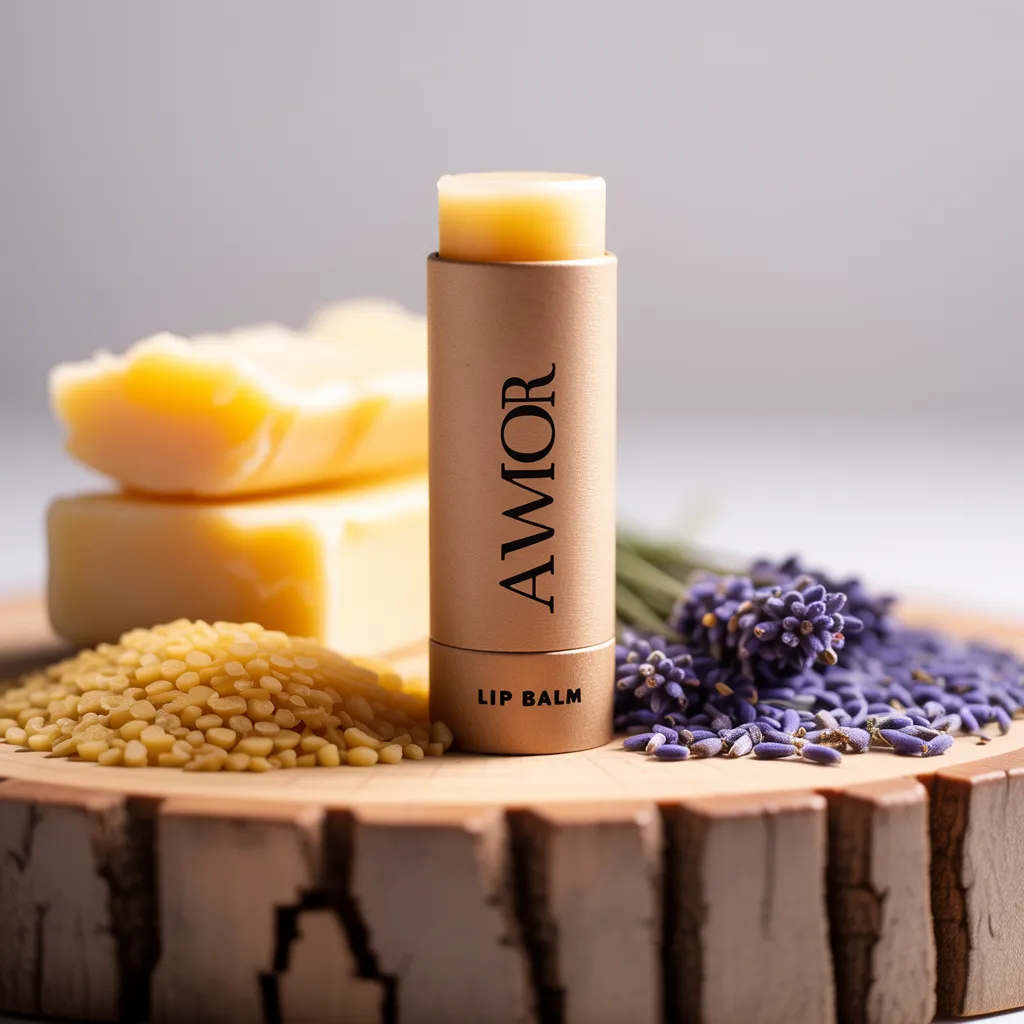
Why You Should Customize Your Lip Balm: Essential Rewards for Self-Care
Many customers are recognizing the value of tailoring their lip balm, enhancing their personal care routines. This bespoke approach allows individuals to tailor their lip care to specific needs and needs. By selecting unique savors, fragrances, and consistencies, individuals can create a product that truly resonates with their own style.
Furthermore, designing lip balm aids in developing a sense of responsibility and creativity, converting a mundane task into an rewarding ritual. This process can also promote mindfulness, as individuals become more sensitive to the ingredients they spread on their skin.
Additionally, customized lip balm can solve distinct concerns, such as dryness or sensitivity, offering targeted relief. By using natural ingredients and excluding unwanted additives, users can assure their lip care supports their wellness goals. Ultimately, this customization converts lip care from a basic necessity into a meaningful aspect of self-care, adding to overall well-being.
Essential Ingredients for Your Perfect Lip Balm
To create the ultimate lip balm, using moisturizing oils is vital for conditioning and protecting the lips. Furthermore, adding natural flavor additives helps to boost the taste experience without damaging the balm’s integrity. Altogether, these components result in a bespoke formulation that addresses personal demands.
Revitalizing Essences Selection
A variety of moisturizing oils forms the starting point for making an powerful lip balm. These oils supply essential hydration and protection against environmental factors. Coconut oil, rich in fatty acids, offers deep moisture while giving a subtle sheen. Jojoba oil matches natural skin oils, making it a superb choice for enhancing skin elasticity and softness. Sweet almond oil, renowned for its soothing properties, effectively relieves dry, chapped lips. Additionally, avocado oil is loaded with vitamins A, D, and E, encouraging healing and nourishment. Each oil contributes unique benefits, permitting a customizable blend designed for individual needs. Selecting the right combination of these nourishing oils is crucial for creating a luxurious and effective lip balm experience.
Pure Savor Additives
Natural taste enhancers play a crucial role in enhancing the appeal of customized relevant article lip balms. These natural ingredients boost the sensory experience by offering delightful tastes and aromas, making the lip balm more enjoyable to use. Common selections include essential oils, fruit extracts, and herbal infusions, each delivering unique benefits and flavor profiles. For example, peppermint oil gives a refreshing sensation, while vanilla extract contributes softness and comfort. Moreover, these natural flavor additives are typically kinder for the skin compared to synthetic alternatives, aligning with the shift toward clean beauty products. By thoughtfully choosing flavor additives, individuals can craft a personalized lip balm that not only nourishes but also engages the senses, turning a simple product into a tailored self-care experience.
Comprehensive Step-by-Step Instruction on Crafting Your Lip Balm
Developing personalized lip balm begins with an understanding of the critical ingredients that contribute to its potency and appeal. Next, mastering easy mixing methods guarantees a even, consistent texture. Together, these steps lay the foundation for a rewarding lip balm-making experience.
Essential Components Overview
Crafting a bespoke lip balm involves selecting the proper blend of essential ingredients that hydrate and protect the lips. The base usually includes natural waxes like beeswax or candelilla wax, which give structure and a protective layer. After that, copyright oils such as coconut oil or sweet almond oil are necessary for hydration, delivering moisture into the skin. Incorporating butters, like shea or cocoa butter, improves creaminess and provides more nourishment. Essential oils may be added for scent and therapeutic advantages; still, care should be taken to prevent irritation. Lastly, natural colorants and flavorings let you personalize the balm, making it distinctively appealing. This well-thought-out mixture of ingredients creates the foundation of a nourishing lip care product.
Quick and Easy Mixing Procedures
Once the right mixture of ingredients is chosen, the next step is to blend them into a smooth lip balm. It begins by measuring the base ingredients—typically beeswax, shea butter, and coconut oil—using a kitchen scale to ensure accuracy. These ingredients are then placed into a heatproof container. A double boiler setup is suggested; this provides gentle heating to melt the ingredients uniformly without burning. After melting, essential oils or flavorings can be incorporated for personalization. Stir the mixture thoroughly until it is well combined. Finally, pour the liquid balm into containers or tubes and allow it to cool and solidify fully. This simple approach produces a personalized lip balm adapted to individual preferences.
Choosing scents and tastes That reflect You
How can one pick scents and flavors that truly mirror their personality? The selection of the perfect aroma can be a very personal process, reflecting individual tastes and moods. Floral scents may evoke calmness and femininity for some, but other people might prefer zesty citrus notes that stimulate energy and creativity.
Experimentation is key in this process; exploring multiple pairings can uncover surprising likes. Sweet, treat-inspired tastes might attract those who love warmth and memories, whereas earthy, herbal scents might appeal to nature lovers looking for stability.
Additionally, intimate experiences can impact choices—memories tied to specific scents can make a lip balm feel even more special. Ultimately, the perfect blend should resonate with one's identity, serving not only as a cosmetic product but also as a daily reminder of self-expression and individuality. Embracing this journey can lead to a customized lip balm experience that feels authentically personal.
Ways to Keep and Use Your Lip Balm Like a Pro
Selecting the right aromas and flavors for a customized lip balm begins a rewarding process. Correct preservation and usage are vital to maximize its benefits. Lip balm should be kept in a cool, dry place, away from direct sunlight and extreme temperatures, which can affect its texture and effectiveness. Using a small, airtight container is optimal for preserving freshness.
Applying lip balm requires only a gentle swipe. Overuse can cause reliance, so it’s best to use it sparingly. For the best results, it’s wise to apply balm before bed and refresh as necessary during the day.
Regularly inspecting for changes in feel or fragrance can help identify when to replace homemade balms. By observing these rules, one can guarantee their customized lip balm remains a treasured part of their personal care routine, enhancing the experience with every use.
Common Lip Balm -Making Errors and How to Prevent Them
Making tailored lip balm is an rewarding process, yet common errors can negatively impact the final product. A frequent error is inaccurate ingredient measurements, leading to a balm that is either too hard or too soft. To prevent this, employing a precise scale and following a dependable recipe are essential.
One common mistake is overlooking the importance of sanitation. Not thoroughly sterilizing tools and containers may introduce bacteria, endangering the balm's safety.
Additionally, omitting the testing phase can result in unwanted textures or scents. It's recommended to create tiny lots first to evaluate the product before increasing production.
Lastly, ignoring skin sensitivities can cause allergic reactions. Performing patch tests with new ingredients can help mitigating this risk. By mindful of these pitfalls, one can craft a lip balm that is both effective and pleasant to use.
Original Customization Inspiration for Your Lip Balm
Personalization can raise homemade lip balm from a basic product into a distinctive statement. Individuals can personalize their lip balms by selecting special flavors, such as lavender, vanilla chai, or citrus blends, to show their personality. Adding essential oils not only improves scent but also extends additional skin benefits, making each balm special.
Moreover, opting for colorful, natural pigments can create attractive balms, allowing for a range of shades that match personal style. Packaging provides another avenue for personalization; tailored labels or engraved containers can make the product feel truly one-of-a-kind.
Seasonal variations, such as pumpkin spice in autumn or peppermint during winter, can sustain the lip balm’s relevance and appeal throughout the year. Ultimately, these unique personalization ideas convert a practical item into a valued accessory, making self-care routines more enjoyable and customized to individual preferences.
Frequently Raised Questions
How much time can you expect homemade lip balm to last?
Typically, homemade lip balm retains quality from six months to one year when kept appropriately in a cool, dry place. Elements like ingredients and storage conditions may impact its shelf life significantly.
Can I Add Color to My Lip Balm?
Color can certainly be introduced to lip balm via cosmetics-grade colorants or natural options such as beetroot powder. It's imperative to check that the colorants are safe for lip application and mix well with the balm's ingredients.
Is Using It Secure for Fragile Skin?
Yes, handcrafted lip balms can be non-harmful for sensitive skin, provided they have mild, pure ingredients. It is prudent to perform a patch test first to verify that no undesired reactions happen before widespread application.
Which materials should I have for lip balm making?
To make lip balm, one needs a double boiler, mixing equipment, lip balm containers, beeswax or a vegan alternative, copyright oils like coconut or almond, and essential oils for scent or flavor if preferred.
Where can I find lip balm crafting materials?
You can get lip chapstick-making supplies at craft stores, online retailers, and specialty shops. Local health food stores may also stock natural ingredients, while DIY kits are available for beginners looking for convenience and detailed materials.